Laudato Voices| 27 August, 2026 | King Oyo leaves behind an Environmental Conservation and Faith Legacy
Our evening is filled filled us with grief and Sadness following an official announcement by the Tooro Kingdom Prime Minister, Mr. Calvin Armstrong Rwomiire, Akiiki, posted on his official X platform.
“It is with profound sadness and a heavy heart that I announce the passing of His Majesty the Omukama of Tooro, King Oyo Nyimba Kabamba Iguru Rukidi IV, at approximately 10:00 p.m. this evening. This is an immeasurable loss to the Royal Family, the people of Tooro and the nation of Uganda. Omukama Atulize. Enkuba Etutire.
I call upon the people of Tooro to remain united, calm and prayerful during this difficult time.
The continuity of the Crown is assured. His Majesty leaves behind a Prince as his heir, whose identity will be formally revealed at the appropriate time, in accordance with the traditions and customs of Tooro Kingdom. An official statement will follow with further details, including the funeral and mourning arrangements.
May His Majesty the King rest in eternal peace.”

The death of King Oyo Nyimba Kabamba Iguru Rukidi IV
The passing of King Oyo has sent shockwaves throughout the Tooro region, Uganda, and the global community, eliciting profound grief, particularly among the youth. Born in 1992, His Majesty Oyo Nyimba Kabamba Iguru Rukidi IV ascended the throne in 1995 at the age of three, becoming the world’s youngest monarch (BBC News, 2010).
As the 12th Omukama of Tooro, he distinguished his reign by his dedication to serving his people, with a special emphasis on youth empowerment (Monitor, 2017). King Oyo was a steadfast advocate for education, innovation, environmental stewardship, and preserving Tooro’s cultural heritage (UNDP, 2021).

He earned widespread recognition for skillfully modernizing cultural practices while safeguarding the kingdom’s rich traditions (New Vision, 2019). On the international stage, King Oyo was lauded for his leadership in environmental conservation and sustainable development within the Tooro region (United Nations, 2022).
His legacy includes major initiatives in tree planting, protecting vital water bodies such as the River Mugunu, ecosystem restoration, environmental advocacy, and conserving the Rwenzori Mountains (Uganda Tourism Board, 2023). He fostered partnerships with both local and international organizations, including the United Nations, and represented Tooro as a vocal environmental leader at global forums (United Nations, 2022).
These efforts enhanced Tooro’s reputation as a leading tourism destination and underpinned essential ecological restoration projects (Uganda Tourism Board, 2023). The unique forests, wetlands, rivers, and mountain ecosystems of the Tooro region endure as a testament to his legacy, as does his commitment to biodiversity, sustainable development, and the fight against HIV/AIDS (UNAIDS, 2024).

The Legacy of King Oyo
King Oyo Nyimba Kabamba Iguru Rukidi IV has always placed young people at the heart of his vision, drawing on his own experiences to understand their perspectives and aspirations. He consistently urged the people of Tooro to see education as the key to a prosperous future. Known for his simplicity and strong sense of responsibility, King Oyo lived by the principles of integral ecology, emphasizing his strong connection with God as a strong pillar in his life, which has guided his leadership and service to the people of Tooro and the way he cared for them especially the young people from supporting initiatives focused on youth development, innovation, public health, environmental protection, HIV/AIDS awareness, sanitation, and sustainable growth, ensuring these priorities drive Tooro’s progress.
“It’s through the young people that African youth are not only leaders of tomorrow but innovators and change-makers. ’’
His public life centers on youth empowerment, education, HIV/AIDS advocacy, environmental conservation, agriculture, tourism, and preserving Tooro’s evolving culture.
“Culture is not static; it is alive, dynamic, and youthful. By lending our cultural heritage to innovation, we are writing a new story for Uganda and Africa, one where young people lead with confidence, creativity, and courage”

King Oyo’s Green Legacy that needs to be continued – the 10 Million Tree-Planting Campaign
King Oyo Nyimba Kabamba Iguru Rukidi IX started the 10 million Tree Planting Campaign saying his major aim is to leave a legacy of a healthy generation living in a good environment. Local Media reported that King Oyo Nyimba Kabamba Iguru Rukidi IV, the King of Tooro has launched a campaign of planting 10 million trees in his kingdom by the end of the next five years. During the launch of the campaign at his palace in Fort Portal on Saturday, King Oyo said the move is aimed at combating drought that has been affecting the kingdom following massive destruction of wetlands and trees. The campaign launched in 2019 to address environmental degradation, reduce the effects of drought, and restore tree cover. The plan involved planting approximately two million trees annually for five years, with communities across the kingdom participating (Dail Monitor, Saturday, March 27, 2021). This was one of King Oyo’s most significant environmental initiatives. Read more
Next Media reported King Oyo’s commitment to environmental conservation aligns with our vision of “Transforming Lives Through Media”. His campaign to plant 10 million trees resonates with our 15MillionTrees initiative under TaasaObutonde, symbolizing our shared dedication to a greener future. This inspires us to see the legacy traces of his work in ecology and hope for a transformed world where the future of the youth is secured and the media can be used as a tool of transformation.
The campaign also responded to increasing environmental degradation in the region. Tooro Kingdom officials reported that forests, wetlands, riverbanks, and water catchment areas had been increasingly degraded. This degradation was linked to problems including drought and flooding (Basiime, 2021). King Oyo’s tree-planting initiative therefore sought to mobilize communities to take practical action to address these environmental challenges.

Conservation of Forests and Wetlands
Protection of River Mpanga
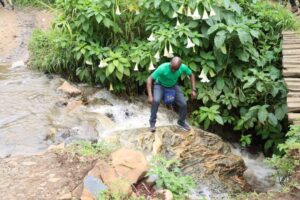
King Oyo has also played an important role in efforts to conserve River Mpanga, one of the important water resources in the Tooro region. In May 2019, he launched the “Save River Mpanga Now” campaign after drawing attention to the increasing accumulation of garbage and silt in the river and the decline in water levels. During the campaign launch, King Oyo personally participated in removing rubbish from the river and planting trees along its banks (Uganda Radio Network, 2019).

“I recently toured around River Mpanga and found out that the rate of degradation is so alarming. This is our main source of water that needs to be preserved,” the King noted.
” The river Mpanga problem starts at the source upstream Karagura, Kabarole District, then to the middle stream in Fort Portal city and downstream in Kitagwenda..”

Conservation of the Rwenzori Mountains
His Majesty King Oyo Nyimba Kabamba Iguru Rukidi IV offered visionary leadership in environmental conservation. In August 2022, King Oyo hiked to Margherita Peak on Mount Rwenzori, leading the Rwenzori Royal Expedition, a 10-day journey designed to raise awareness about climate change and the urgent need to protect our natural heritage. Through this remarkable act, King Oyo inspired both local communities and the nation to value and conserve Uganda’s unique mountain ecosystems.
The Rwenzori Mountains, with their rare ecosystems and glaciers, face increasing threats from climate change. King Oyo’s expedition highlighted the urgent need for conservation and the promise of sustainable tourism as a way to protect these vital landscapes for future generations.
King Oyo used his public profile to shine a spotlight on environmental issues, demonstrating that responsible tourism can provide economic opportunities while preserving natural ecosystems. His efforts drew national attention to glacier loss and the broader impacts of climate change on water resources, biodiversity, agriculture, and the communities that depend on mountain environments.
Community Mobilisation and Environmental Awareness
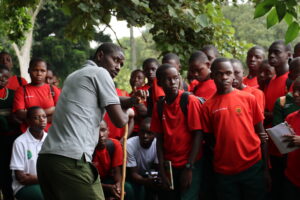
One of the most important aspects of King Oyo’s conservation work is his ability to mobilise communities. As a cultural leader, he has access to traditional structures and community leaders who he worked with well to help spread environmental the cause for community empowerment and growth in entrepreneurship.


We now celebrate the legacy of King Oyo’s Environmental Conservation Efforts
“to leave a legacy of a healthy generation living in a good environment”.
Raise Awareness
Community Engagement
Protect the eco system and biodiversity
New Innovations
For the Tooro Region, King Oyo has left a legacy and a challenge.
Continued cooperation among the Tooro Kingdom, local communities, government agencies, environmental organizations, and development partners is needed to sustain his work and conservation programs and to assess whether targets such as tree survival, riverbank restoration, and reduced pollution are being achieved.
King Oyo has made environmental conservation an important part of his leadership in the Tooro Kingdom. His major initiatives include the campaign to plant 10 million trees, the “Save River Mpanga Now” campaign, advocacy for the protection of forests and wetlands, and the Rwenzori Royal Expedition. These initiatives have helped raise awareness of environmental degradation, climate change, water-resource protection, and sustainable tourism.

King Oyo’s legacy is defined not just by the initiatives he championed, but by his remarkable ability to unite communities and inspire environmental stewardship through traditional leadership. His visionary efforts remind us that cultural leaders play a vital role in complementing government and environmental organizations, motivating people to safeguard precious natural resources.
Though King Oyo has left us far too soon, the most fitting tribute to his memory is for the community to carry forward his passion. By remaining united, strengthening participation, and supporting effective policies and sustainable development, we can ensure his vision endures. Rest in peace, Entale Ya Tooro King Oyo Nyimba Kabamba Iguru IX. Your dedication to conservation and your inspiring spirit will remain in our hearts forever.
About King Oyo
References
Basiime, F. (2021, March 27). Tooro kingdom starts 10 million tree-planting drive. Daily Monitor.
BBC News. (2010). Uganda’s three-year-old king.
Monitor. (2017). King Oyo’s legacy among Uganda’s youth.
New Vision. (2019). King Oyo and the modernization of Tooro culture.
New Vision. (2019). Oyo launches campaign to plant 10 million trees. New Vision.
The Cooperator News. (2022). Tooro King urges the public to conserve environment. The Cooperator News.
UNAIDS. (2024). HIV/AIDS advocacy in Tooro region.
Uganda Radio Network. (2019, May 11). King Oyo launches Save River Mpanga Now campaign. Uganda Radio Network.
Uganda Radio Network. (2019, September 11). King Oyo intensifies campaign to protect River Mpanga. Uganda Radio Network.
Uganda Tourism Board. (2022, August 7). King Oyo Rwenzori Royal Expedition. Uganda Tourism Board.
Uganda Tourism Board. (2023). Tooro: A prime tourism destination.
UNDP. (2021). Tooro Kingdom partners with UNDP on environmental conservation.
United Nations. (2022). King Oyo’s environmental leadership in Tooro.