As youth navigate the challenges of education, unemployment, social pressures, climate change, digital influences, cultural pressures and family expectations, there is a growing need to support their mental health in a holistic way. Mental health is not only about treating illness; it is also about nurturing resilience, hope, purpose, and healthy relationships.
One of the most effective forms of mental health therapy is caring for young people spiritually, physically, and emotionally. When these dimensions of human life are nurtured together, young people are more likely to flourish, succeed in their studies, develop positive relationships, and contribute meaningfully to society. This holistic approach is upheld by the Laudato Youth Initiative, which promotes integral human development and integral ecology by connecting faith, environmental stewardship, education, and youth empowerment. The three dimensions
Spiritual Care: Nurturing Hope and Purpose
Young people need more than academic knowledge and material resources. They need meaning, values, and a sense of belonging. Spiritual care helps them discover their purpose, strengthen their faith, and develop resilience in the face of life’s challenges.
In Uganda, faith communities play a significant role in shaping young people’s character and values. Through prayer, mentorship, reflection, and participation in community activities such as our nature walks, youth learn to relax, innovate, manage time, and make responsible decisions, thereby cultivating hope. Spirituality also helps them cope with anxiety, stress, grief, and uncertainty by reminding them that they are loved, valued, and connected to something greater than themselves.
The Laudato Youth Initiative emphasizes ecological spirituality, encouraging young people to see care for creation as part of their faith journey. By connecting spirituality with environmental action, youth discover that protecting nature is not merely an environmental responsibility but also a moral and spiritual calling.
Physical Care: Building Healthy Bodies and Minds
Physical well-being is closely linked to mental health. Over time and through interaction with youth in our Laudato Si Clubs, we have realised that young people who have access to nutritious food, exercise, adequate sleep, and clean environments are better equipped to concentrate in school, regulate their emotions, and maintain positive mental health.
Whereas, environmental degradation directly affects physical health. Deforestation, pollution, poor waste management, and climate-related disasters can increase stress and reduce the quality of life in communities. Conversely, green spaces, tree planting activities, school gardens, and environmental conservation projects create healthier surroundings and promote psychological well-being. That’s why ecological restoration is our priority. When schools unite to restore their ecosystems, children have the opportunity to access a better learning environment that supports their mental well-being.
Through initiatives such as tree planting, climate education, and sustainable agricultural practices, young people gain opportunities to engage in meaningful physical activities while contributing to protecting their communities. These activities improve fitness, reduce stress, and foster a sense of achievement and belonging.
Emotional Care: Strengthening Resilience and Relationships
Emotional well-being is essential for healthy development. Many young people face emotional challenges arising from academic pressure, family difficulties, peer influence, social media, and economic uncertainty. Without adequate support, these pressures can contribute to anxiety, depression, low self-esteem, and other mental health concerns.
Providing safe spaces where young people can express their feelings, share experiences, and receive guidance is a powerful form of therapy. Mentorship programs, youth clubs, peer support groups, and family engagement initiatives help young people build confidence and emotional resilience.
When youth feel heard, respected, and valued, they develop stronger coping skills and a greater sense of self-worth. Emotional support also strengthens social connections, reducing loneliness and promoting positive mental health outcomes.
Education and Mental Well-Being
Education should not only prepare young people for examinations but also equip them with life skills, critical thinking abilities, and emotional intelligence. Schools, universities, and youth organizations have a responsibility to promote mental well-being alongside academic excellence.
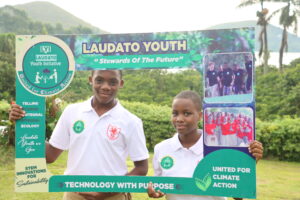
The Laudato Youth Initiative recognizes educational institutions as important spaces for fostering environmental awareness and leadership. Through Laudato Si’ Clubs, young people learn about climate action, sustainability, innovation, and community engagement. Such activities encourage teamwork, creativity, and problem-solving while helping students develop confidence and practical skills for the future. Students are more likely to concentrate and take on innovations when their mental health is good.
By integrating environmental education into learning, young people gain a deeper understanding of the interconnectedness between human well-being and the health of the planet. This holistic learning approach contributes positively to mental health by giving students a sense of purpose and agency.
Caring for the Environment as Mental Health Therapy
Nature has a remarkable ability to heal and restore. Spending time in green spaces, planting trees, caring for gardens, and participating in environmental conservation activities can reduce stress, improve mood, and strengthen social bonds. For many young Ugandans, environmental action provides an opportunity to transform climate anxiety into positive action. Instead of feeling overwhelmed by environmental challenges, they become active participants in creating solutions. This fosters hope, resilience, and a sense of empowerment.
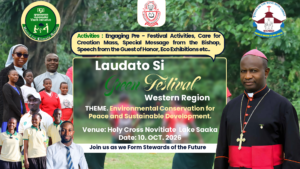
The Laudato Youth Initiative demonstrates that environmental stewardship can serve as both a community development strategy and a mental health intervention. By engaging youth in practical climate action, the initiative helps them develop leadership skills, strengthen social networks, and cultivate optimism about the future. During our Laudato Si Green Festivals, we engage young people in relaxing with models and stress-releasing, innovative objects that inspire them to think and creatively develop solutions after interacting with the models.
It is important to note that caring for young people spiritually, physically, and emotionally is indeed a powerful form of mental health therapy, especially in our country, Uganda, where youth face both immense opportunities and significant challenges. A holistic approach is essential. Faith formation, emotional support, healthy lifestyles, quality education, and environmental stewardship must work together to nurture well-rounded individuals.
The Laudato Youth Initiative offers a valuable model by integrating spirituality, ecological responsibility, education, and youth leadership. Through this approach, young people are empowered not only to care for themselves but also to care for their communities and our common home. When young people are supported in mind, body, spirit, and relationship with nature, they become agents of hope, resilience, and sustainable transformation for Uganda and future generations.