Laudato Voices | Uganda Martyrs Day 2026 | May 12, 2026
As Uganda approaches the annual Uganda Martyrs Day celebration, young people are being called to reflect on this landmark spiritual event as a unique opportunity to shape the nation’s future. Despite Uganda’s youthful population and rich natural endowments, as our mother land is dealing with challenges, youth unemployment, climate change, mental health challenges, corruption, and a fading moral values and vision in some communities.
This is the paradox of our generation, a paradox that is not only spiritual and cultural, but also economic and ecological. As of September 3, 2025, the Uganda Bureau of Statistics reported that Uganda’s population aged 15 to 30 is approximately 14 million, accounting for 31% of the total population (Uganda Bureau of Statistics, 2025). This report provides detailed information on population demographics, education, marital status, and disability.
It deeply explores the realities facing Uganda’s youth, including sexual and reproductive health, adolescent and youth self-reported sexually transmitted infections (STIs), Human Immunodeficiency Virus (HIV), nutrition, tobacco and alcohol use, and mortality. Secondly, it highlights gender equality, violence, protection, education, skilling, and the growing challenge of skill mismatch among adolescents and youth, including those not in Employment, Education, or Training (NEET). The report finally moves into the critical concerns of water, sanitation, and hygiene.
When we speak about the Uganda Martyrs, we must think beyond remembrance and reflect on their relevance to integral ecology, one that sees the human person as whole and interconnected with society, creation, morality, culture, and faith, as discussed in Laudato Si’ (Francis, 2015).
The Uganda Martyrs and the Theology of Work
All the Uganda Martyrs worked hard. Our Patron Saint Adolf Ludigo-Mukasa, for example, as patron of farmers and hard workers, exemplifies values worthy of national recognition because he stood for the backbone of Uganda’s economy.
Our Ministry in the Laudato Youth Initiative, seeks to tell his story of bravery as one capable of reawakening Uganda’s image as the “Pearl of Africa”. from promoting agriculture and farming as the backbone of the economy to advancing eco-spiritual tourism. He is the St. Francis of Uganda, and his values make him satnd out as a spiritual pillar who, together with the other Uganda Martyrs, defended faith and moral values, just as young people today are called to do (Laudato Si Clubs, 2023). Their witness reminds us that work is not merely economic activity; it is dignity, stewardship, and participation in God’s creation.

“Lord, Increase Our Faith”: A Message to Young People
In 2023, when the Diocese of Jinja was selected by the Uganda Episcopal Conference to lead Uganda Martyrs Day, they chose the theme “Lord Increase Our Faith.” Charles Martin Wamika (R.I.P.) served as the main celebrant. In his homily, he directly addressed young people saying:
“The youth of today, you seem more affected by modern life: smartphone-internet, empiisa enungi (good manners) seem to have been thrown overboard. The majority of the Uganda Martyrs were youth like you. When you grow old, how about creating a website? ‘WWW.EMPIISAENUNGI.COM’.”
He continued by asking pilgrims to reflect on what lessons they would carry back home from the Martyrs. His message touched on three key dimensions:
* Moral renewal
* Spiritual grounding
* The productive and ethical use of technology
These themes remain profoundly relevant today as Uganda seeks to build synergies between the story of the Uganda Martyrs and the future of the nation.
Uganda Martyrs Day 2026, Kasese Diocese and the Call to Ecological Conversion
This year, Kasese is leading the Uganda Martyrs Day celebrations while focusing on realizing “a well and spiritually uplifting event.” Ahead of the June 3 celebration, the Diocese of Kasese launched the Uganda Martyrs Forest. Francis Aquirinus Kibira Kambale called for urgent environmental conservation action during the launch. In his message, he reminded Christians that in the encyclical Laudato Si’, published in 2015 by the late Pope Francis, Mother Earth — which freely provides oxygen and water — must be protected through a blend of environmental science, ethical responsibility, and spiritual reflection (AMECEA NEWS, May 9, 2026).
This vision clearly aligns with the work of the Laudato Youth Initiative, inspired by Laudato Si’ to promote an African response to integral ecology through the inspiration of Uganda Martyr St. Adolf, patron of hard workers and farmers.
The Paradox of Abundance and Poverty in Africa
Uganda possesses abundant youthful energy, fertile land, vibrant cultures, united faith communities, creative community leaders, and vast natural resources. Yet the paradox remains: many citizens continue to experience material hardship and moral uncertainty. Africa itself suffers from this contradiction. Lands rich in minerals and human talent often remain wounded by exploitation, division, inequality, and underdevelopment. Pope Leo XIV, while speaking in Cameroon, reflected on this contradiction by observing that the richness of the country’s natural resources stood in contrast to the material poverty many people face.
He encouraged African youth:
“Do not give in to distrust and discouragement. Reject every form of abuse or violence, which deceives by promising easy gains but hardens the heart and makes it insensitive. Do not forget that your people are even richer than this land, for your treasure lies in your values: faith, family, hospitality, and work.”
This message resonates powerfully with Uganda.
The true treasure of the Pearl of Africa lies in:
* Faith
* Family
* Hospitality
* Hard work
These are values we still hold dear and need to root them deeper into our families and institutions because they are our identity and must be intentionally cultivated among young people.
Uganda’s Spiritual Wealth and Cultural Identity
Uganda is rich not only in resources but also in rare hospitality, friendliness, humor, smiles, and the willingness of people to lend a helping hand. This spirit defines the Ugandan culture of encounter. Our country’s natural environment, national parks, spiritual heritage, and cultural traditions all contribute to its identity and beauty. Pope Leo XIV recently invited African youth to follow the vocation God has placed before them so that they may become protagonists of their own future:
“Do not let yourselves be corrupted by temptations that waste your energies and do not serve the progress of society.”
He further challenged young people:
“Do not rush to leave your land in search of a better life elsewhere. Your continent needs you. Stay, dream, and work to build your nations. Do not be afraid to fight corruption and seek the common good. The future of Africa is in your hands” (Pope Leo XIV, Message to Young People in Africa, May 2026).
Similarly, Fridolin Ambongo Besungu described this tragedy as the “paradox of abundance and poverty,” especially in African nations where natural wealth too often becomes a source of suffering rather than shared prosperity (Vatican News, 2024). All these schools of though must help us define a clear path.
Integral Ecology: Rebuilding the Nation through Moral Courage
The story of the Uganda Martyrs teaches a profound truth that: true wealth of a nation lies in the moral courage of its people and in how deeply society values its spiritual heritage and relationship with God and mentors its youth population. Uganda itself was built upon the pillar of faith: “For God and My Country.”

This vision also reflects the meaning of integral ecology. In Laudato Si’, Pope Francis invites humanity to embrace an ecology that recognizes the interconnectedness of environmental, economic, political, social, cultural, and ethical dimensions of life (Francis, 2015). The Uganda Martyrs were young. They were ordinary. Yet they carried extraordinary conviction. Their courage was from faith. Their witness reminds Uganda’s youth that greatness is never inherited cheaply; it is built through sacrifice, discipline, truth, and reverence for God.
And we know “The fear of the Lord is the beginning of wisdom (Proverbs: 9:10) In a generation increasingly shaped by social media pressure, consumerism, comparison culture, and the pursuit of quick success, this ancient truth becomes revolutionary once again. Nations collapse not because they lack resources, but because they lose wisdom and neglect their young generation. Wisdom emerges when people rediscover accountability before God and responsibility toward the inherent future and one another and toward their motherland.
A New Generation of Spiritual Patriots and protagonists
Uganda today needs a new generation of spiritual patriots and protagonists of integral ecology young people willing to do extraordinary things for the common good, just as the Martyrs did in their time. Not necessarily through death, but through lives marked by:
* Faith, Radical integrity
* Creativity and Innovation
* Hard work and Health – Mental Health
* Environmental stewardship and Science explorations
* Service to humanity and the common home
The modern martyr may not stand before a king’s fire, but before the fires of climate change, moral decay, corruption, greed, addiction, exploitation, violence, and indifference. Across families, institutions, communities, and nations, countless people suffer because of unjust systems that exploit both humanity and creation. Uganda’s youth are therefore called to rise and transform society.
The Laudato Youth Initiative: Faith in Action away to embrace Integral ecology and emulate St. Adolf
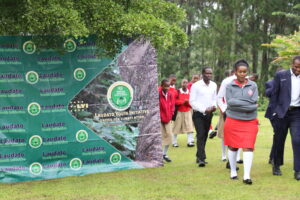
This is why the message of Laudato Si’ and the witness of the Laudato Youth Initiative are so important for our time. Pope Francis reminds humanity that “everything is interconnected” and that care for creation is inseparable from care for the poor (Francis, 2015). Across Uganda, our Laudato Si’ clubs are:
* Planting trees and Growing them
* Protecting water sources
* Promoting ethical leadership
* Supporting climate justice Driving Digital Engagement in media
* Telling ecological stories of hope
* Building skills for sustainable livelihoods
* Strengthening peace and solidarity in communities
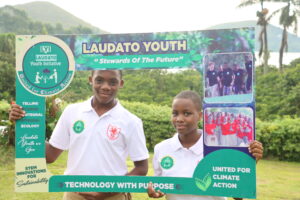
The Laudato Youth Initiative especially offers a prophetic model for Uganda’s youth. Through ecological campaigns, youth mentorship, sustainable agriculture, environmental restoration, and faith-based community action, the initiative demonstrates that holiness and nation-building belong together.
Caring for the earth, defending human dignity, promoting ethical entrepreneurship, mentoring vulnerable children, and building sustainable community projects are sacred acts.
These initiatives reveal that young people are not merely waiting for the future — they are already shaping it.
Building Bridges of Hope for Uganda
As Uganda commemorates the Martyrs, the celebration must go beyond ceremony. It must become a national moment of renewal.Uganda must build bridges of hope:
* Bridges between faith and leadership
* Bridges between young people and meaningful work
* Bridges between economic progress and moral responsibility
* Bridges between culture and societal values
* Bridges between technology and human dignity
* Bridges between abundance and justice
* Bridges of unity, peace, and mental wellness for young people
The courage of the Martyrs must ignite a new courage of hope.
Pope Leo XIV has consistently challenged young people to become builders of peace, fraternity, and a renewed future, reminding them that they are “the sign that a different world is possible” (Vatican News, 2024). Uganda’s crisis may be paradoxical, but its answer is deeply spiritual. Uganda does not merely need more consumption; it needs more conscience. It does not merely need wealth accumulation; it needs moral imagination.
Rediscovering Purpose in a Generation Called to Greatness
Young Ugandans must reject hopelessness. They must resist cynicism and passive survival. The Martyrs are remembered not because they sought comfort, but because they chose truth over fear. This generation is called to the same greatness. A nation is transformed when its youth rediscover purpose:
* When they study not merely for employment, but for service
* When they build businesses that uplift communities
* When they protect creation as a sacred gift
* When they defend honesty in public life
* When they pray with conviction and act with courage
The Uganda Martyrs remind us that faith can shape history.
As pilgrims journey to Namugongo Martyrs Shrine, may this year’s celebration become more than remembrance. May it become a commissioning of a new generation, one that understands that Uganda’s greatest resource is not beneath the soil, but within the soul of its people. The paradox of need amidst abundance will only be healed when Uganda rediscovers its spiritual abundance and connects it with its natural endowment, a God-given gift to her people. Perhaps that is the enduring legacy of the Martyrs: That courage rooted in God can still rebuild a nation. “Christ is Alive in You and Me”. For God and My Country, Laudato Youth United for Climate Action.
About the Uganda Martyrs
Uganda Martyrs Day commemorates the 45 men, aged 14 to 50, who were killed for their Christian faith by the King of Buganda between January 1885 and January 1887. Of these, 22 Catholics were beatified in 1920 and canonized in 1964. Their legacy continues to inspire Catholic life in Uganda and across the world.
References
Francis. (2015). Laudato Si’: On Care for Our Common Home. Vatican Press.
Holy Bible, New International Version. (2011). Proverbs 9:10.
Vatican News. (2024). Modern-day martyrs: The victims of blood minerals in Africa.
Vatican News Article on Blood Minerals in Africa
Vatican News. (2024). Pope’s message to young people: A different world is possible.
Vatican News Message to Young People