Immaculate Kisembo | The answer closer to you is in the world within you | Thursday, April 2, 2026
Mental health is not merely the absence of illness but the presence of inner harmony, defined purpose, resilience and the passion to do things with determination and confidence. It is a state of interconnectedness influenced by how we as individuals care for ourselves, relate to others, and engage with the world around us. For young people, within our cultural context, we need to appreciate the fact that self-care is powerful and necessary foundation for building a strong and enduring mental health state that many of us need to prudently address.
As you may know our psychological well-being lies in the principle of self-awareness and self-belief. When we intentionally invest time in understanding our passions, nurturing our talents, and embracing our unique gifts, we cultivate an internal environment grounded in confidence and clear purpose that nurtures our passion. This is some kind of an internal affirmation, like you may know the notion “I believe in myself”, serves as a protective factor against anxiety, depression, and self knowledge (Kaggwa et al., 2022). In many of our Laudato Si Clubs in schools and communities, youth-led activities such as talent development programs have demonstrated how creative engagement in music, dance, and entrepreneurship strengthens self-esteem and reduces vulnerability to mental distress.
Furthermore, the recognition that “the world around me becomes better when I am personally well” reflects a critical psychological truth: individual wellness contributes to communal harmony. In Uganda’s collectivist cultural setting, mental health is often experienced within the fabric of family and community life. Studies have shown that youth who actively participate in family roles and community service report higher levels of life satisfaction and emotional stability (Ssebunnya et al., 2009). This reinforces the idea that personal healing radiates outward, influencing relationships and societal well-being.
Equally important is the grounding of self knowledge and exposure to cultural and spiritual values. Uganda is richly diverse in traditions and religious beliefs, which provide a framework for meaning-making and resilience. When young people are encouraged to appreciate their cultural heritage and spiritual identity, they are less likely to experience the psychological strain of comparison and social conformity. Instead, they develop authenticity and inner strength. Avoiding the pressure to “be like others” and embracing one’s true self fosters psychological congruence, a key concept in humanistic psychology (Rogers, 1961).
A moment of pause, reflecting on one’s family background and envisioning a better future, can be profoundly therapeutic. Family systems in Uganda often play a central role in shaping identity and values. Young people who view themselves as contributors to their family’s growth rather than passive recipients of circumstance are more likely to develop resilience and purpose. Mentorship, whether through elders, teachers, or community leaders, further strengthens this developmental pathway. I elebaorated this more in my previous article. I have read about programs like Young African Leaders Initiative (YALI) and many young people testify to have shown the positive impact of mentorship on youth mental health, leadership, and decision-making, thats why Laudato Youth Initiative priotises mental health as part of caring for creation (The human person is part of Gods Creation that needs to be cared for)
Challenges, though often painful, are essential teachers. I love reading and recently I discovered that in clinical psychology, adversity is recognized as a catalyst for growth when individuals are supported and guided through it. Ugandan youth who have experienced hardships, such as poverty, displacement, or academic pressure, often demonstrate remarkable resilience when provided with psychosocial support and community-based interventions (Betancourt et al., 2013). These experiences, when processed constructively, become lessons that shape emotional intelligence and coping skills. So when Laudato Si invites us to care for the poor and the under privilaged or suffering in society it is actually showing us the path of helping people better themselves. The message for Laudato Si for us In the Laudato Youth initiative is seen as a therapy that we should use to heal ourselves and the world around us. One might wonder how mental health can be linked to environmental protection but the reality is we are part of the environment and we too need to be taught self care. Much as alot of efforts are put on caring for the physical environment the human person too need to be payed attention to thats why we in Laudato Youth Initiative consider mental health an important factor.
Spirituality also plays a central role in mental health. Making God part of one’s life story offers a sense of guidance, hope, and moral direction. Faith-based practices such as prayer, communal Masses, and acts of service have been associated with reduced stress and improved psychological well-being among Ugandan populations (Opare-Henaku & Utsey, 2017). The call to “listen and serve others” aligns with both spiritual teachings and psychological principles of altruism, which is known to enhance life satisfaction and reduce symptoms of depression. I believe thats why when people disconnect their life from God they will never be the same. Young people need to know that we as humans find fulfilment in knowing our creator, praising Him and worshipping Him. Laudato Si puts it Clearly “Praise be God!
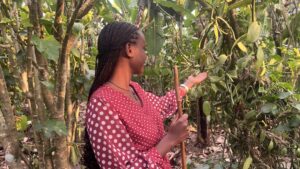
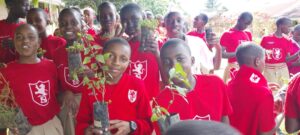
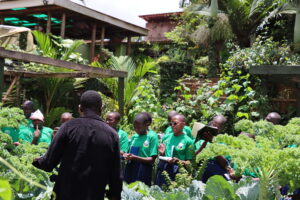
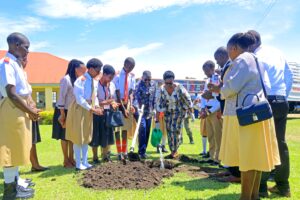
An often-overlooked yet profoundly impactful aspect of mental health is the relationship between individuals and their natural environment. Ecological engagement, through nature walks, planting trees, listening to birds, and participating in environmental conservation, has been shown to reduce stress, improve mood, and foster a sense of peace. Our programs such as the one million tree planting drive, community clean-ups, school gardens and other youth-ledactivities like MDD, Debates, etc.. in schools embody this principle. These activities not only promote environmental stewardship but also serve as therapeutic practices that reconnect individuals with the beauty and rhythm of life.
In conclusion is should say, mental health among young people in Uganda, and indeed globally, requires a holistic approach that integrates self-care, cultural identity, spiritual grounding, mentorship, resilience, and ecological awareness guided by passion. When individuals nurture themselves from within, they become agents of transformation in their families, communities, and the wider world. True wellness begins within, but its impact extends far beyond the self, creating a ripple effect of healing, purpose, and harmony.
References
Betancourt, T. S., McBain, R., Newnham, E. A., & Brennan, R. T. (2013). Context matters: Community characteristics and mental health among war-affected youth in Uganda. Journal of Child Psychology and Psychiatry, 54(7), 716–724.
Kaggwa, M. M., et al. (2022). Prevalence and factors associated with depression among youth in Uganda. BMC Psychiatry, 22(1), 1–10.
Opare-Henaku, A., & Utsey, S. O. (2017). Religious coping and mental health outcomes among Africans. Mental Health, Religion & Culture, 20(5), 465–478.
Rogers, C. R. (1961). On Becoming a Person: A Therapist’s View of Psychotherapy. Houghton Mifflin.
Ssebunnya, J., Kigozi, F., Lund, C., Kizza, D., & Okello, E. (2009). Stakeholder perceptions of mental health stigma and poverty in Uganda. BMC International Health and Human Rights, 9(1), 1–9.