Laudato Voices | World Wetlands Day -Celebrating Cultural Heritage | 2 February 2026
It is true, In our Country Uganda, wetlands are more than ecosystems they are ‘living heritage’. From papyrus swamps, to the lakes like Victoria, and the Nile Delta, communities have long protected wetlands through traditional knowledge, cultural values, and spiritual respect like totems that safeguard endangered species, cultural ecological programs that promoted care for creation . These practices sustained water, food, and peace long before modern conservation existed.
As climate change threatens our wetlands, culture becomes a solution.
When youth reconnect with ancestral wisdom, we restore ecosystems and social harmony. We have joined efforts in restoring wetlands, promoting climate justice, and building peace rooted in faith, culture, and community. Inspired by Laudato Si’, this reminds us that healing the Earth also means healing relationships: with nature, with one another, and with future generations.
We Protect wetlands

We Build peace

We Act for climate recovery

On 2 February 2026, as the world commemorates World Wetlands Day, a day established to honour the adoption of the Ramsar Convention on Wetlands and to draw global attention to the vital role of wetlands for people and planet. This year’s theme “Wetlands and Traditional Knowledge: Celebrating Cultural Heritage” invites us not only to recognize wetlands as ecological assets but also to honor the deep cultural knowledge, ancestral wisdom, and spiritual connections that communities worldwide have long maintained with these life-sustaining landscapes. The theme emphasizes that the preservation of wetlands is inseparable from the protection of cultural heritage and indigenous practices that have safeguarded these ecosystems for generations (Food and Agriculture Organization of the United Nations [FAO], 2026; National Environment Management Authority, 2026).
Uganda’s Wetlands: Life, Livelihoods, and Cultural Identity
Uganda’s wetlands from the sprawling Nile Delta and Lake Victoria shoreline marshes to smaller swamps are far more than geographic features. They are cultural landscapes, interwoven with local beliefs, customary practices, and social norms that have sustained communities for centuries. In many parts of our Country, traditional taboos, totems and spiritual respect for wetlands prohibited the cutting of papyrus or draining of marshes, effectively conserving biodiversity and water resources through cultural stewardship (Laudato Youth Initiative, 2025).

These practices reflect a worldview where land and water are sacred gifts, not commodities for exploitation. The elders’ governance of wetlands, communal responsibilities for water protection, and safeguarding of indigenous ecological knowledge are key elements in understanding Uganda’s cultural heritage tied to wetlands. Today, as pressures from population growth, agriculture expansion, and climate change escalate, many of these cultural safeguards are eroding with wetlands increasingly encroached upon for settlement and brick making, undermining both ecological function and cultural values.
Wetlands, Climate Resilience, and Cultural Wisdom
Wetlands are among the most efficient natural systems for carbon sequestration, flood regulation, water purification, and biodiversity support. These ecological services are essential in Uganda’s climate-challenged landscape, where erratic rainfall and water scarcity are undermining agriculture, food security, and community stability. The integration of traditional ecological knowledge from community-based water governance to taboos that protect sensitive ecosystems offers critical pathways for climate adaptation. This knowledge, passed down through generations, can complement modern climate science to strengthen resilience and sustain ecosystems that buffer communities against climate shocks.

Laudato Youth: Youth-Led Pathways to Climate Action and Peace building
The Laudato Youth Initiative (LYI) embodies the theme of World Wetlands Day by connecting cultural heritage, climate action, and youth leadership. Rooted in the spiritual teachings of Pope Francis’ Laudato Si’ and driven by African cultural values, LYI empowers young people to act as stewards of creation and agents of social transformation (Laudato Youth Initiative, 2025).
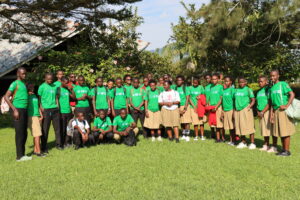
In regions like Tooro (Fort Portal) Luweero, Gulu and Busoga, our youth-led “Laudato Si’ Clubs” have mobilized efforts to map, protect, and restore wetlands, often in partnership with local organizations such as the Nature & Resilience Development Initiative. These clubs do more than plant trees or remove waste; they revive traditional respect for wetlands, educate communities about the cultural and ecological importance of these ecosystems, and advocate for responsible water management and biodiversity protection (Laudato Youth Initiative, 2025).

This approach reflects a broader vision: climate recovery, cultural heritage, and peace building are deeply interconnected. As youth reclaim traditional ecological wisdom and couple it with advocacy and innovation, they also foster community cohesion, inter-generational dialogue, and shared responsibility for sustainable futures. In challenging environmental degradation, these young leaders are also building bridges across social divides demonstrating that climate action rooted in culture and faith can nurture peace and collective well-being.
An Integral Path Forward
On this World Wetlands Day, as we reflect on the theme of “Celebrating Cultural Heritage”, Uganda stands as a testament to the power of traditional knowledge in conserving critical ecosystems. The work of the Laudato Youth Initiative illustrates that cultural heritage is not a relic of the past but a living source of resilience and hope one that can guide communities toward sustainable, just, and peaceful futures. By honoring cultural wisdom and empowering youth leadership, Uganda’s wetlands can continue to be places of life, identity, and ecological harmony for generations to come.

References
Food and Agriculture Organization of the United Nations. (2026). World Wetlands Day 2026 “Wetlands and Traditional Knowledge: Celebrating Cultural Heritage” — 2 February. https://www.fao.org/land-water/news-archive/news-detail/en/c/1756744/
Laudato Youth Initiative. (2025, November). What must I do to create real climate change impact? https://laudato-youthinitiative.org/2025/11/18/what-must-we-do-to-create-real-climate-change-impact/
Laudato Youth Initiative. (n.d.). Laudato Youth Initiative — Uniting Youth for Climate Action. https://laudato-youthinitiative.org/
National Environment Management Authority. (2026). World Wetlands Day 2026. https://nema.go.ke/world-wetlands-day-2026/